Protect Your Home This Winter
August 15, 2025
Don’t Wait! Fall Roof Maintenance Tips You Need Now
August 29, 2025
Preparing roof for winter doesn’t have to feel like an overwhelming chore. In fact, a few careful steps now can spare you from a chilly crisis later. Imagine frigid winds seeping into your home because of a small gap you never noticed—or waking up to a minor leak that turns into an indoor waterfall. Not exactly the holiday mood you want, right? By tending to your roof before temperatures drop, you’re protecting your peace of mind all winter. Here in Gainesville, Florida, winter might not be as extreme as in other regions, but that doesn’t mean you can skip preventive maintenance. After all, sudden cold snaps or heavy rainfall can put real stress on even the most robust roof. So, let’s dive into some easy-to-follow tips that will help you safeguard your home and keep things toasty when the cooler weather hits.
Inspect your roof early
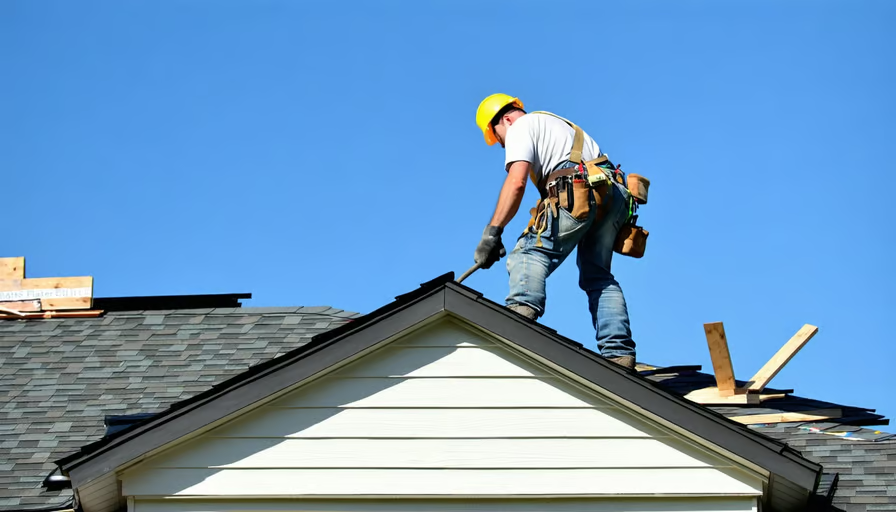
It’s easy to put off a roof check when fall still feels mild in Gainesville, but catching issues before they escalate is crucial. Early inspection means you can fix minor damage days or weeks before the real cold sets in. Even if you only have a few free hours, it’s worth climbing that ladder or calling a professional to make sure your shingles, flashing, and gutters are in solid shape.
Spotting obvious damage
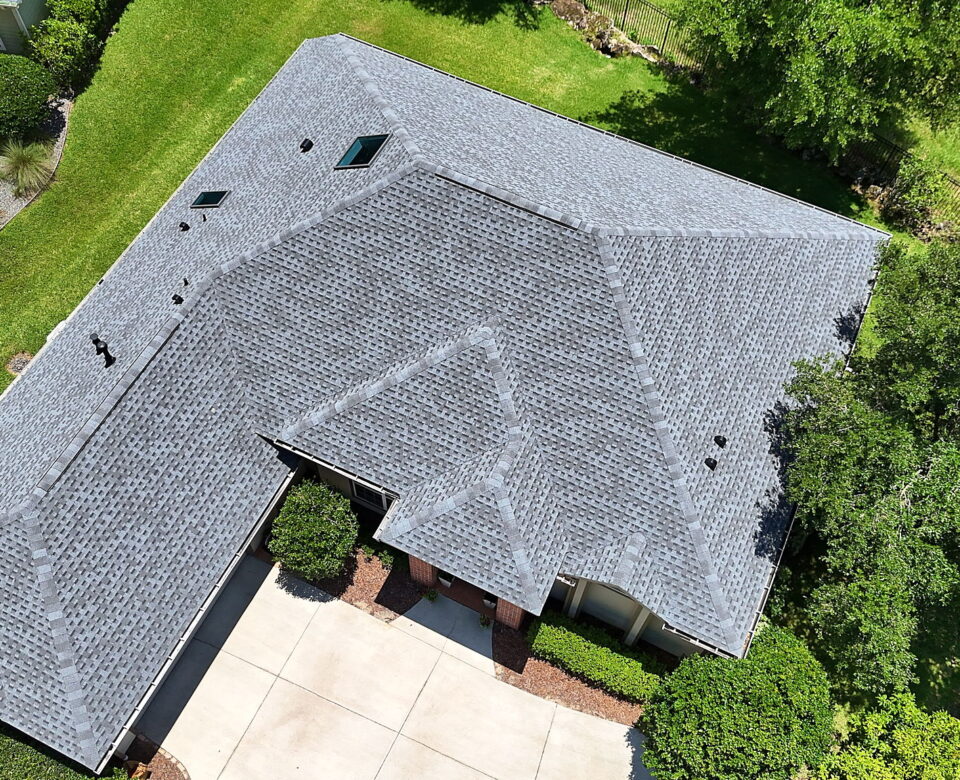
Start by walking around your home’s exterior, scanning your roof from the ground. Pay close attention to areas near chimneys, skylights, or vents, since these spots are prone to leaks. If you see missing, curling, or blistered shingles, that’s a clear sign your roof needs a little love. You’ll also want to look for any discolored patches—those can indicate moisture building up under the shingles. If something looks off, consider a closer look and be ready to patch or replace before winter hits in full force.
Checking attic spaces
It might feel cozier to stay out of the attic, but a quick peek in there can reveal hidden roof issues. Use a flashlight, scan the ceiling for water stains or damp spots, and make sure there’s no musty smell. You also want to check for visible sunlight streaming in, especially around corners or seams. That’s an instant clue that your roof has gaps. Plus, your attic plays a big part in insulation and ventilation. If you notice significant drafts or see evidence of moisture, your roof’s sealant or insulation might need reinforcement. To stay one step ahead, it’s also smart to add an annual check to your schedule—maybe a quick reminder on your phone—so it becomes part of your routine.
Clear out debris promptly
Leaves, twigs, and other debris might seem harmless, but they can cause trouble when left to accumulate. There’s a reason fall weather often leads to concerns about clogged gutters and pooling water. In Gainesville, those afternoon storms can sprinkle enough leaves to form mini dams on your roof. By quickly clearing debris, you help water flow off your roof properly, reducing the odds of leaks or ice-like buildup during cooler snaps.
Keep gutters free-flowing
Clogged gutters are practically an invitation for water damage. When water can’t exit through the downspouts, it seeps into the edges of your roof and down the walls, eventually causing anything from rot to mold. Preventing this is simple: grab your ladder, put on gloves, and scoop out anything that doesn’t belong—leaves, silt, bird nests, or random twigs. Once you’ve removed the debris, run water through the gutters with a garden hose to confirm smooth flow. If you’re uneasy about heights, it’s worth hiring a pro to handle it. You can also peek at our fall roof maintenance tips if you want more advice on easy ways to keep gutters clear all season.
Trim overhanging branches
Even clean gutters can’t conquer leaves that fall directly onto your roof. Overhanging branches can add extra weight and risk damage if they swing against your shingles. A windy night can snap a branch and create a hole, or pile leaves right in a gutter you just cleared. So, consider trimming back any branches that are too close for comfort. This small step helps keep your roof dry and prevents critters—like squirrels or raccoons—from making themselves at home up there. Always be sure to follow local ordinances or get help if the tree is large or near power lines.
Check for small roofing issues
Minor damage rarely stays minor for long when the weather turns cool and damp. Small cracks can expand, and tiny leaks can weaken the underlying structure if you ignore them. Since Gainesville does experience bouts of heavy rain, a little flaw can spread moisture everywhere. Think of it like a loose thread on a sweater: one tug, and the whole thing unravels.
Fix minor leaks and cracks
If you spot a leak—whether by seeing a drip or noticing a musty patch in your attic—address it now. A sealant can often do the trick for hairline cracks around vents or chimneys. Shingles with cracks can be replaced individually, which is far cheaper than dealing with water damage inside your walls. Keeping a close eye out is especially important during the fall months, when you might see more twigs plus the occasional heavier rainfall. Don’t let a simple fix turn into a roof replacement job down the line.
Consider professional inspections
Sure, you can patch a shingle or two, but sometimes the real risk isn’t visible to the untrained eye. By having a roof inspection before winter carried out by a trusted local pro—like experts from true force roofing gainesville fl—you’ll uncover subtle problems that might otherwise go undetected. Professionals know where moisture likes to hide and how to evaluate the structural soundness of your roof. If you’re unsure about everything you saw or felt on your rooftop, don’t hesitate to schedule a professional check. It’s a small investment that can save you big-time frustration once winter arrives.
Enhance insulation and ventilation
You might wonder, “Isn’t insulation something that belongs inside the house?” The truth is, your roof plays a huge role in how well your home holds onto heat. Correct insulation and good ventilation work like a tag team to keep indoor temperatures comfortable. In Florida’s mild winter, you still want to manage indoor warmth so you’re not cranking your heater 24/7. Plus, letting your attic fan or vents do their job properly can keep moisture from building up and damaging your roof’s structure.
Understand attic insulation basics
Insulation helps trap warm air where you want it—in your living spaces. If your attic insulation is old, flattened, or damp, it’s probably time for an update. Common materials for attic insulation include fiberglass batts and loose-fill cellulose, both of which are easy to install and maintain. The right level of insulation means less heat escaping from your home, lowering your energy bills and reducing the risk of melting snow or ice forming problematic patches on your roof. In Gainesville, you might not see heavy icepacks, but good insulation still helps stabilize indoor temperatures.
Maintain proper airflow
Think of ventilation as the air traffic controller in your attic. It removes excess moisture, balances temperatures, and supports the longevity of your roof. So, if your ventilation is weak or blocked, you’ll end up with trapped humidity that can lead to mold, mildew, and that dreaded musty smell in your attic. You might also see discolored wood beams. Make sure vents (such as soffit vents or ridge vents) aren’t blocked by insulation or debris. If you want to go a step further, consider adding a powered attic fan or a venting system. Talk to a local roofing specialist if you’re uncertain about how to measure ventilation flow or how much vent space you need.
Maintain your roof regularly
Consistent maintenance goes hand in hand with preparing roof for winter. By devoting a little time and energy each autumn, you’ll enjoy a roof that stands strong when the colder months arrive. A proactive approach is always cheaper and less stressful than emergency fixes at the worst possible time.
Create a seasonal care plan
A handful of tasks done at the right time can keep your roof in tiptop shape. Add a note on your calendar—maybe in late October—to give your roof a brief once-over, clean the gutters, and schedule any minor repairs. Doing this every year ensures you won’t be caught off guard if a sudden seasonal storm blows into Gainesville. For a quick list of to-dos, take a look at our fall roof repair checklist. It outlines key steps like gutter cleaning, sealed flashings, and checking chimney integrity so you can keep track of all your tasks in one spot.
Know when to call experts
Even the best do-it-yourselfers may face situations that call for professional know-how. If you see widespread shingle wear, large cracks in flashing, or suspect the structural integrity of your roof might be compromised, it’s time to get help. True Force Roofing in Gainesville can step in with a deep understanding of local weather factors and building codes. But even if you prefer a different contractor, don’t ignore your gut feeling that something’s amiss up there. A swift professional assessment can reveal whether your roof needs just a few minor tweaks or a more comprehensive repair.
Bonus prevention tips
Sometimes, it’s the little things you do around the edges of your roof or within your home that help the most. Short of installing a brand-new roof, these smaller strategies can extend your roof’s life by months or even years. A careful eye for detail and a knack for regular chores will go a long way.
- Apply weatherstripping around flashings, vents, and skylights to keep out drafts.
- Check seals around your chimney at least once a year.
- Keep an eye on your ceiling’s interior side, especially after storms, to quickly catch and fix any new leaks.
- Drain and clear your downspouts after big rains, since buildup can happen surprisingly fast.
Consider regional specifics
Gainesville’s location means winter isn’t as punishing as it might be up north, but we still get cold snaps, strong winds, and heavy rains. The humidity factor alone can create unique challenges, especially if your roof doesn’t have proper ventilation. Plus, Florida in general sees a fair share of Atlantic storms. So even if temperatures aren’t plunging below zero, you can still face roof damage from heavy wind or rain if you’re unprepared. That’s why staying vigilant in fall pays off: you’re essentially fortifying your roof for the intense and sometimes unpredictable weather that can pop up in winter and early spring.
Set a realistic budget
Preparing roof for winter might seem like a big expense, but it doesn’t have to blow your savings. The key is planning. By inspecting your roof early and handling small issues quickly, you’ll spread out costs and avoid expensive emergency repairs. If your roof does need more extensive work, weigh the benefits of partial repairs vs. a total replacement. Sometimes patching small areas repeatedly becomes more expensive in the long run. Discuss budget-friendly strategies with a roofing contractor. Could you finance partial fixes now and schedule a bigger upgrade later? Different roofing pros will offer various payment plans—don’t hesitate to shop around for something that suits your wallet and timeline.
Manage moisture inside your home
Your roof isn’t the only line of defense against winter moisture. Even if you have a perfectly sealed roof, condensation can still form inside your home if internal humidity runs too high. Consider installing a dehumidifier in your basement or other damp areas. In bathrooms and kitchens, always run exhaust fans to funnel steam and moisture out of the house. By keeping your interior air relatively dry, you reduce the load on your roof’s ventilation system, which means less chance of mold or mildew forming in tricky corners of your attic or under your shingles.
Protect your family’s comfort and safety
A well-prepared roof does more than keep out water—it helps maintain a stable indoor environment for you and your loved ones. Sudden heat loss or unexpected leaks can create hazardous conditions, and you definitely don’t want that during cooler nights. Imagine the hassle of scrambling for buckets to catch drips or the stress of dealing with a burst pipe right above your living room. With a dependable roof in place, you’ll boost your family’s comfort and overall safety.
Summary and next steps
Preparing roof for winter is your best insurance against inconvenient problems and costly damage. Early inspection, debris-free gutters, minor repairs, solid insulation, and regular check-ins can make a world of difference. You don’t have to be a roofing guru to tackle many of these tasks, although professional help is always beneficial if you spot something that feels beyond your skill set.
If you’re unsure where to begin, check out our fall roof maintenance tips for a helpful starting point. You might also want to schedule that roof inspection before winter or refer to our fall roof repair checklist to make sure you haven’t forgotten a single detail. And if you need local expertise or personalized advice, True Force Roofing Gainesville FL has your back. The key is to act now—before the cold sets in—and give your roof all the care it needs. That way, you’ll rest easy when cooler weather finally arrives. Consider tackling one task at a time or hiring someone for the heavier lifting, and enjoy the snug feeling of a well-prepared home all season long.