Your Guide to Fast and Friendly Hail Damage Roof Repair Florida
December 2, 2025
Your Guide to GAF Roofing Certification Awards and Top Roofing Pros
December 23, 2025
Understand how hail damages shingles
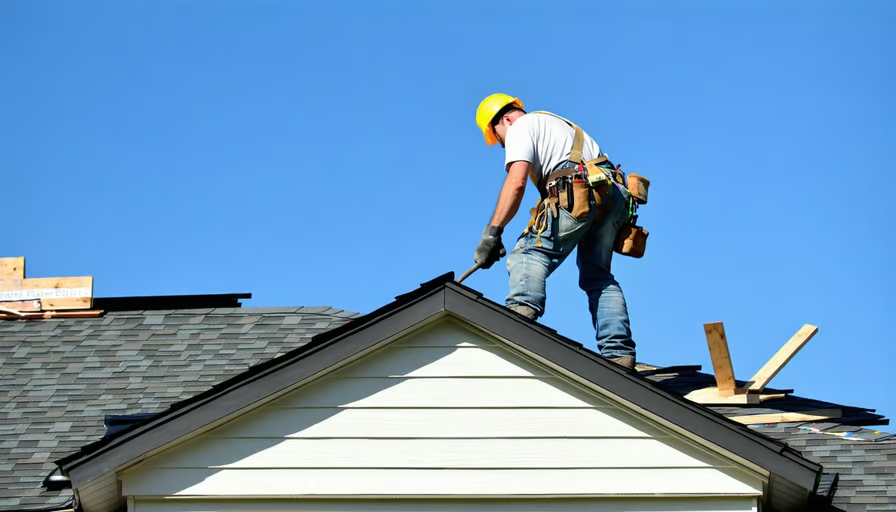
When a storm rolls through North Florida, hail can hit your roof with enough force to dent or dislodge the shingles. You might not notice the problems right away, but hail damaged shingles in Florida often weaken your roof’s protection against future weather. By understanding how hail impacts each layer of your roofing material, you can spot vulnerabilities and address them before they worsen.
Look for dark or bruised spots
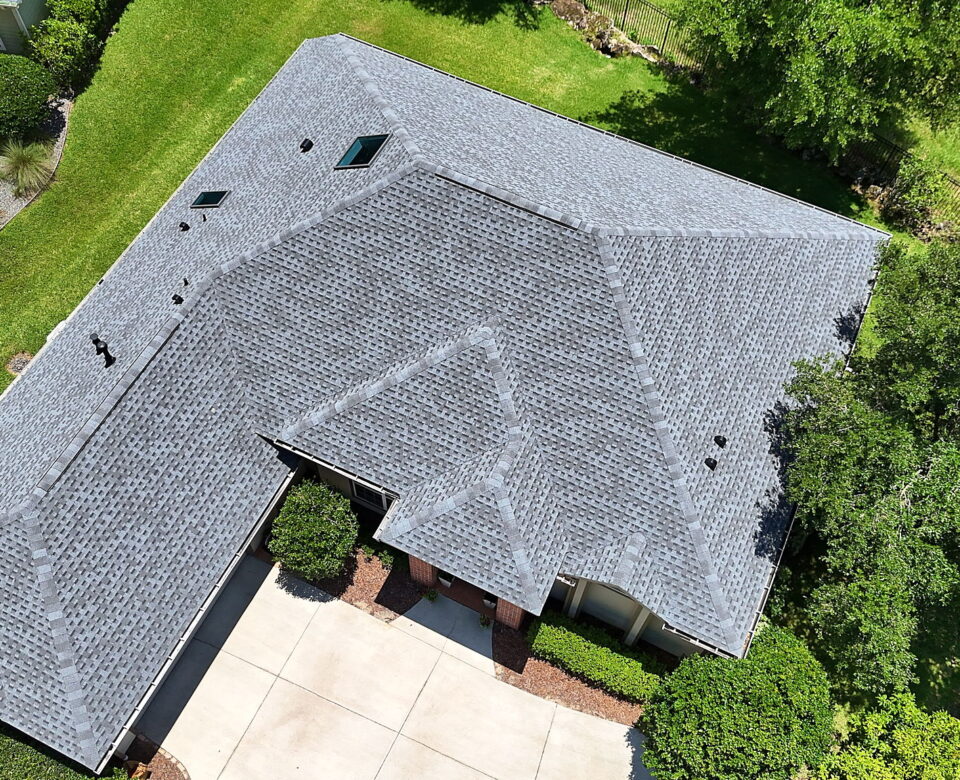
A clear indicator of hail damage is the appearance of dark or bruised spots on your shingles. These patches may look slightly deeper in color, almost as if someone pressed a thumb into the shingle. This bruising can compromise the shingle’s reflective surface, which helps keep your home cool in the Florida heat.
Quick inspection tip
-
Walk around your yard or sidewalk with a pair of binoculars for a safer roof inspection
-
Focus on areas that catch the brunt of the storm, such as roof sections facing the wind
Check for missing granules
Shingle granules play an essential role in shielding your roof from harsh UV rays and moisture. Hail strikes in Florida can knock these granules loose, leaving bald spots that expose the underlying mat. Over time, missing granules can lead to leaks and even structural damage if they’re not addressed.
Simple granule test
-
Look for granules in your gutters or near downspouts
-
Check the ground around your home for scattered shingle debris after a hailstorm
Watch for cracking or splitting
Hail damaged shingles can also develop cracks, splits, or tears where the impact occurred. Because Florida weather can switch quickly from intense heat to sudden rain, these exposed areas may expand or contract, causing further damage.
Steps to take
-
Check your attic ceiling for any light shining through cracks
-
Observe the edges of your roof for peeled or curled sections
Assess potential interior leaks
Sometimes, the first sign of hail damaged shingles in Florida is not what you see from the outside but rather what you notice inside. Water stains on your walls or ceilings, particularly after a heavy storm, often point to an issue with the roof’s integrity.
Places to check
-
Look around windows and door frames for discoloration
-
Inspect your attic insulation for dampness or mold
Consider a professional inspection
If you’re unsure about your roof’s condition or if you’ve spotted multiple signs of damage, it’s wise to schedule a professional assessment. Roofing experts in Florida understand how to identify even subtle hail damage that could lead to costly problems down the road. They can also guide you on repair options, whether it’s a quick fix or a complete shingle replacement.
What to expect
-
A thorough roof evaluation inside and out
-
Detailed estimates on restoration or replacement
-
Guidance on whether an insurance claim may be applicable
Key takeaways
-
Hail impacts can leave bruised, dark spots or bald patches on your shingles
-
Missing or dislodged granules reduce your roof’s defenses
-
Cracked or split shingles can expose your home to leaks and further damage
-
Interior water stains often hint at roofing issues
-
A professional inspection can confirm damage severity and next steps
By learning to spot hail damaged shingles in Florida, you can protect your home and avoid bigger repairs later. If you notice any doubt about your roof’s condition, consider contacting a local specialist to ensure everything stays watertight and worry-free.